
13 tips on Dental Care
Smile! Maintaining your dental health is important, not just for your smile, but for the health of your teeth and your overall well-being. 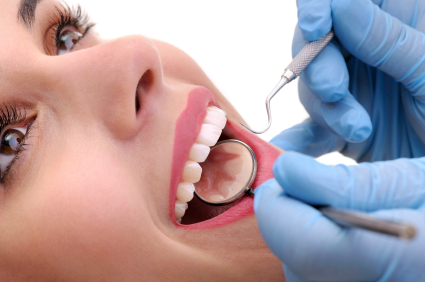 There are big and small things you can do on a regular basis to keep your mouth clean, happy and healthy.
Every Day
- Brush and floss. You know the routine – brush at least twice per day and floss once. Brush each time for at least two minutes and be sure to brush below the gum line as well as the teeth.
- Fluoride – Get some! If your tap water doesn’t contain fluoride, look for the added ingredient in your toothpaste and mouth wash. Fluoride helps strengthen tooth enamel, making it less likely to decay.
- Chew gum – Chewing sugar-free gum increases saliva production, which helps wash bacteria away. If you can’t brush after every meal, sugar-free gum is a great alternative.
- Rinse – If you don’t care for chewing gum, rinsing with an antibacterial rinse after meals or snacks is another good substitute to brushing. HDIS offers Perox-A-Mint® , which is a 1.5% hydrogen peroxide solution rinse. The rinse is non- drying, nonalcoholic and is safe for use on tender oral tissue.
- Limit sugar – Foods that are high in sugar, as well as fruit drinks and juices have a negative impact on your teeth. As bacteria in your mouth breaks down sugar, they produce acids that can erode tooth enamel and cause decay. Chewy, sticky food sticks to your teeth long after the enjoyment has ended. Limit these foods to mealtimes when you can follow with a good brushing.
- Add Calcium – Through the course of your healthy diet, get calcium! Calcium helps keep your teeth and bones strong. The recommended daily amount is 1,000mg.
Every 3-4 Months
- Refresh Your Brush – Every 3-4 months replace your toothbrush or, if you use a battery-operated toothbrush, replace the head every 3-4 months. This is one of the easiest things to do because really, don’t you just love the feel of a fresh toothbrush with crisp bristles? Discard your toothbrush even earlier if you’ve been sick or if you notice that the bristles are frayed.
Every 6 Months
- Dental Visit – Your dentist can detect potential problem areas and help you avoid costly visits later. Plus, at each visit you’ll have a thorough cleaning that is much better than you can get at home.
- Medication List Review – When you visit your dentist, take a long a list of your medications. Many drugs list “dry mouth” as a side effect, which can affect your oral health. A simple change to your prescription could help or your dentist may prescribe a mouthwash that mimics saliva production.
Special Considerations
- Quit Smoking! – Tobacco stains teeth and increases the risk of gum disease and oral cancer. Just one more reason to kick the habit and discourage kids from starting.
- Protect Your Heart – According to the American Academy of Periodontology, there is a link between oral health and heart disease. Researchers have found that people with periodontal disease are almost twice as likely to suffer from coronary artery disease as those without periodontal disease, although evidence doesn’t show that one causes the other.*
- Diabetic Concerns – If you are diabetic, you may be more prone to develop gum disease than those without diabetes. Also, if you have an infection in your mouth it may be harder to kick since diabetes lowers resistance to infection. Be sure to inform your dentist of your condition.
- Attention Caregivers! – Make oral cleansing easy with the Toothette® Suction Toothbrush System. Our all-in-one system cleanses, rinses and suctions all with one simple tool. A soft foam end is gentle on tender oral tissue, while specially designed to thoroughly clean teeth. The tool’s handle was designed for simple, one-handed use. The Toothette® system connects to standard suction ports.
- Take care of your teeth and they will take care of you. Just a few minutes of care every day could result in healthy teeth and gums, and an overall healthier you, for years. Now that’s worth smiling about!
* “Periodontal Disease Linked to Cardiovascular Disease .” American Academy of Periodontology. April 18, 2012.