Bowel Incontinence Home Remedies That Actually Help

Bowel Incontinence Home Remedies: Key Takeaways
-
Home remedies help many people with bowel incontinence, and small diet changes typically come first
-
Noticing which foods trigger urgency lets you ease back on them and have fewer accidents
-
Pelvic floor and bowel-training exercises can strengthen your control over time
-
A regular toileting routine, along with good hygiene and the right protection, can help you feel at ease as you go about your day
-
New, sudden, or bloody bowel leakage can signal a treatable underlying condition, so it’s best to talk to your doctor
You are out running errands when you feel that familiar pressure and the worry creeps in: what if you cannot make it to a bathroom in time?
For anyone living with bowel incontinence, that quiet concern can start keeping you closer to home than you would like.
We’ll break down
-
What causes this condition
-
Bowel incontinence home remedies that can help
-
Exercises and routines that rebuild control over time
-
The right protection, and when to see a doctor
What Causes Bowel Incontinence?
If you are dealing with bowel incontinence, also called fecal incontinence, there is something reassuring worth knowing: there are practical steps to help manage the symptoms.
According to the National Institute of Diabetes and Digestive and Kidney Diseases (NIDDK), the most common causes include weakened muscles or nerve changes.
These often happen after childbirth or surgery, affecting the signals that help you hold on.
Ongoing diarrhea or constipation can play a part too, along with anything that affects how firm or loose the stool is.
Bowel Incontinence Home Remedies: Diet Changes That Help
A good bowel incontinence diet is one of the first things to consider.
Food adjustments often bring relief quickly, because they change stool consistency directly, which makes things much easier to control.
Add Soluble Fiber
Soluble fiber absorbs water and bulks up loose stool, which is just what you want if diarrhea is behind the problem.
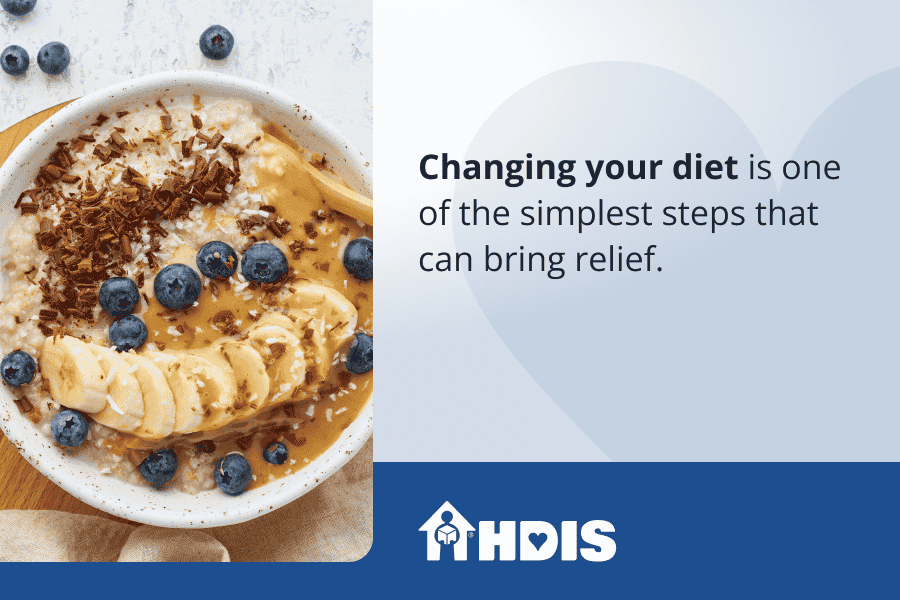
Oats, bananas, and a psyllium supplement are easy additions to your menu.
Add fiber slowly over a week or two to avoid gas and bloating.
Cut Trigger Foods
Certain foods can bring on a sudden urge, including:
-
Caffeine and alcohol, which stimulate the bowel
-
Spicy or greasy foods, which can upset your stomach
-
Dairy, if you are sensitive to lactose
-
Artificial sweeteners such as sorbitol
Stay Hydrated (Yes, Really)
Cutting fluids to reduce accidents usually causes the opposite, leading to constipation and overflow leakage.
Make sure you drink enough water through the day. It helps the fiber do its work and keeps things moving comfortably.
Pelvic Floor and Bowel Training Exercises
While diet takes care of consistency, pelvic floor exercises for bowel control help strengthen the muscles. With time, they respond to training, growing stronger.
You will not notice a change overnight, so give it a few weeks before you judge how it is working.
Pelvic Floor (Kegel) Exercises
Squeeze the muscles you would use to stop passing gas, hold for a few seconds, then relax fully. Work up to three sets of ten a day.
The most common mistake is bearing down instead of lifting. If you are not sure you’re doing it right, it’s a good idea to consult with a pelvic floor physical therapist.
Bowel Retraining
Bowel retraining helps your body set a predictable rhythm, and it is simpler than it sounds.
Aim to use the bathroom at the same time each day, often about 20 to 30 minutes after a meal, when your system is naturally active.
Over time, this can ease urgency and reduce accidents that catch you off guard.
Scheduling, Hygiene, and Protective Products
While diet and exercises do their work, a few practical habits keep daily life normal.
Build a Routine
Try to stick to a regular toileting schedule, ideally before you leave home and after meals.
It is a small habit that makes a real difference.
Protect Your Skin
Bowel leakage can be harder on skin than urine, so gentle hygiene matters even more here.
Use fragrance-free wipes, pat the skin dry, and apply a zinc oxide barrier paste or cream to protect it against irritation.
Avoid scrubbing and change promptly after any leakage, which is the simplest way to keep skin healthy.
Choose the Right Protection
Tab-style briefs or protective underwear work well for bowel leakage because of higher capacity and a snug leg fit.
The right product turns “I can't leave the house” into “I've got this,” allowing you to do everything you enjoy.

When to See a Doctor
Home remedies help many people, but some symptoms need professional fecal incontinence treatment.
These include:
-
Bowel incontinence that comes on new or suddenly, without an obvious cause
-
Blood in your stool, or stools that look black or tarry
-
Leakage accompanied by belly pain, a fever, or weight loss
-
Symptoms that have not eased after a few weeks of home care
Discreet, Understanding Support From HDIS
Bowel incontinence is one of the more sensitive things to manage and talk about.
Having a supplier who understands your needs and offers protection you can rely on takes a real weight off your shoulders.
HDIS has spent more than 40 years helping people handle conditions like this, matching them to protection that fits their day and their body.
Every delivery arrives in plain, unmarked packaging, on a schedule that suits you.
And if a question feels awkward to ask, the HDIS care team will guide you through the options gently, at your pace, until the size and absorbency sit right.
Throughout the process, their dignity and privacy remain a priority.
Call-to-action: Find the right fit before you buy. Request free samples to try at home.
Bowel Incontinence Home Remedies: FAQs
What are the best home remedies for bowel incontinence?
The most effective home remedies include dietary changes. Add soluble fiber like oats, bananas, or psyllium to your menu, cut back on trigger foods like caffeine and alcohol, and drink enough water to avoid constipation.
Can bowel incontinence be cured at home?
Pairing diet with pelvic floor exercises, a regular toileting schedule, and the right protection can help with muscle weakness. Nerve damage may need medical treatment. Start with conservative home steps, and see a doctor if symptoms persist.
What foods help stop bowel incontinence?
Soluble-fiber foods help most, because they absorb water and firm up loose stool. Good choices include oats, bananas, white rice, and psyllium. It also helps to cut back on common triggers like caffeine, alcohol, spicy or greasy foods, and artificial sweeteners. A short food diary can help you spot your own triggers.
Do pelvic floor exercises help with bowel incontinence?
Yes. Pelvic floor (Kegel) exercises strengthen your muscles, so you get more control over time. Most people need a few weeks of regular practice before they see a change.
How long do bowel incontinence home remedies take to work?
Diet changes can help within a few weeks. Pelvic floor exercises and bowel retraining take longer. Give any single change a fair trial and keep a diary so you can see what's actually helping.